So you’ve decided to commission someone to paint your miniatures. Good call. Now comes the harder part: choosing who.
There’s no shortage of painters advertising their services online. Prices vary wildly. Quality varies even more. And once your figures are in the post, you’re trusting a stranger to do right by months of collecting.
Here’s what to actually look for — and a few red flags to avoid.
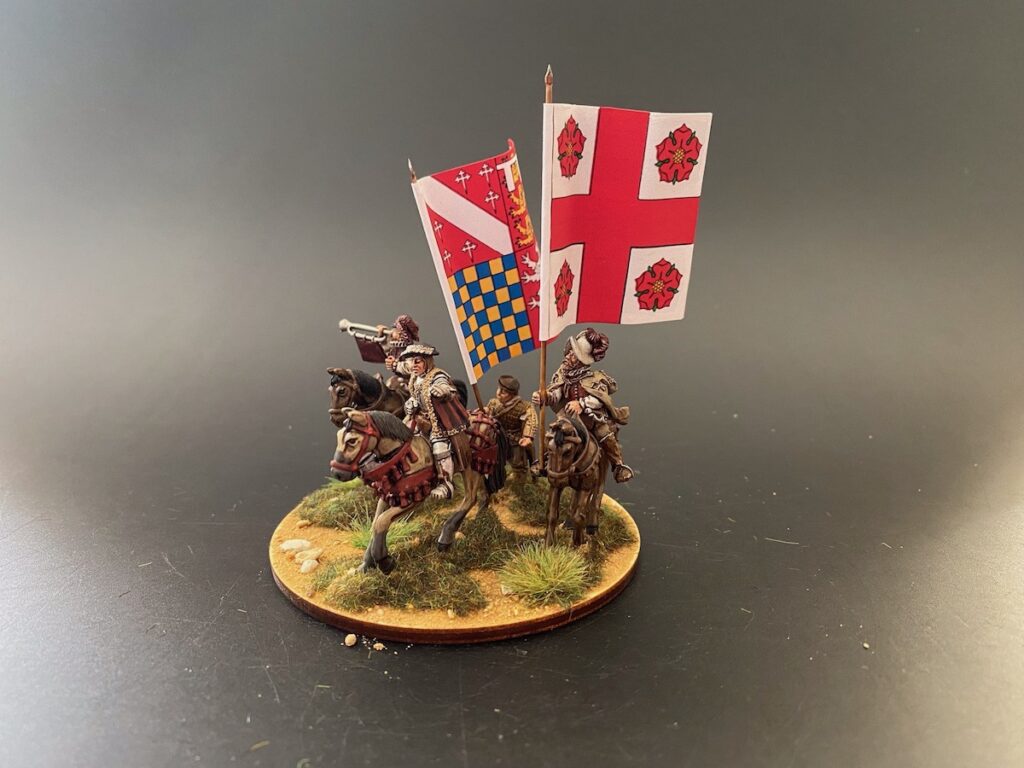
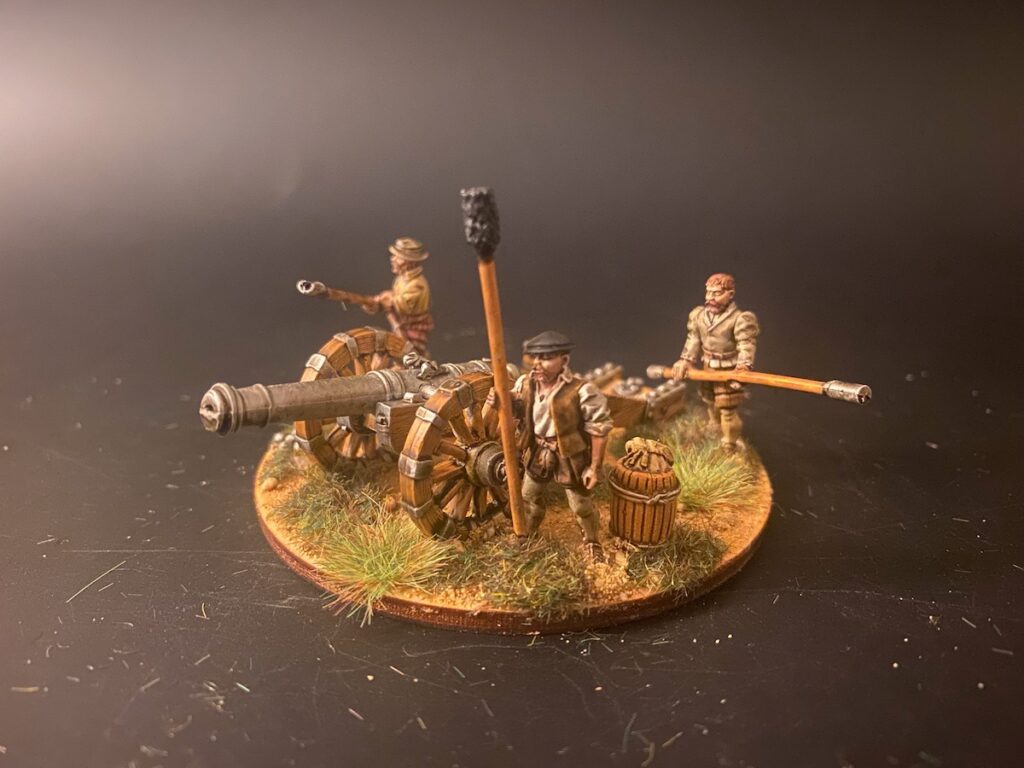
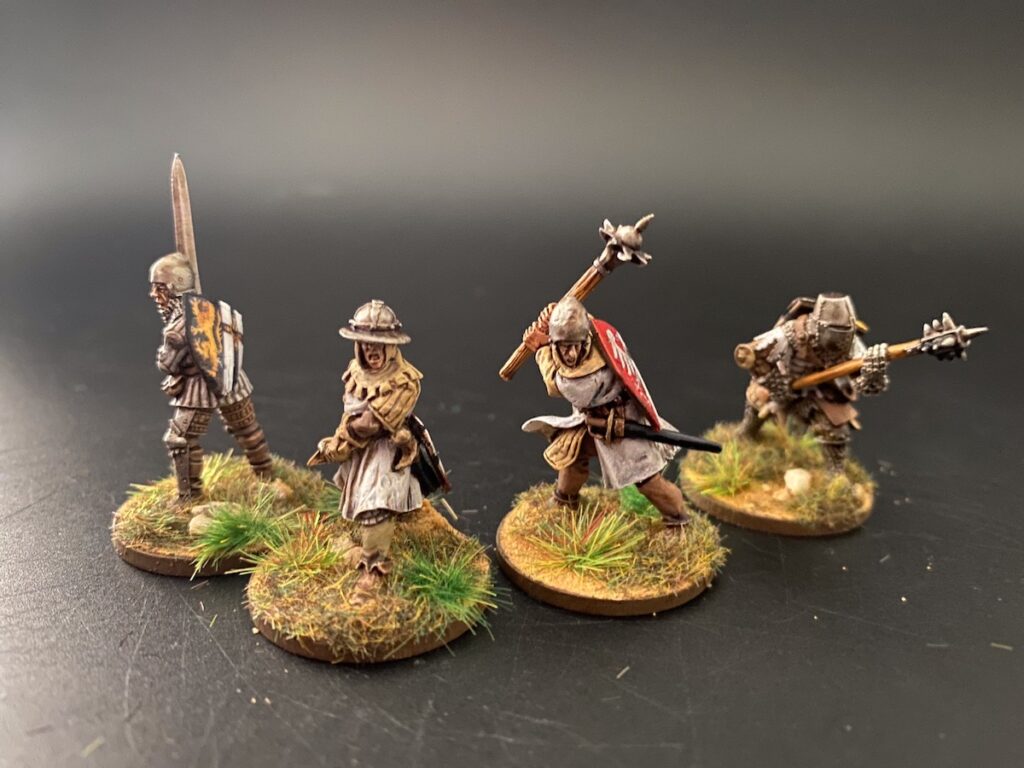
A Gallery That Shows Your Kind of Work
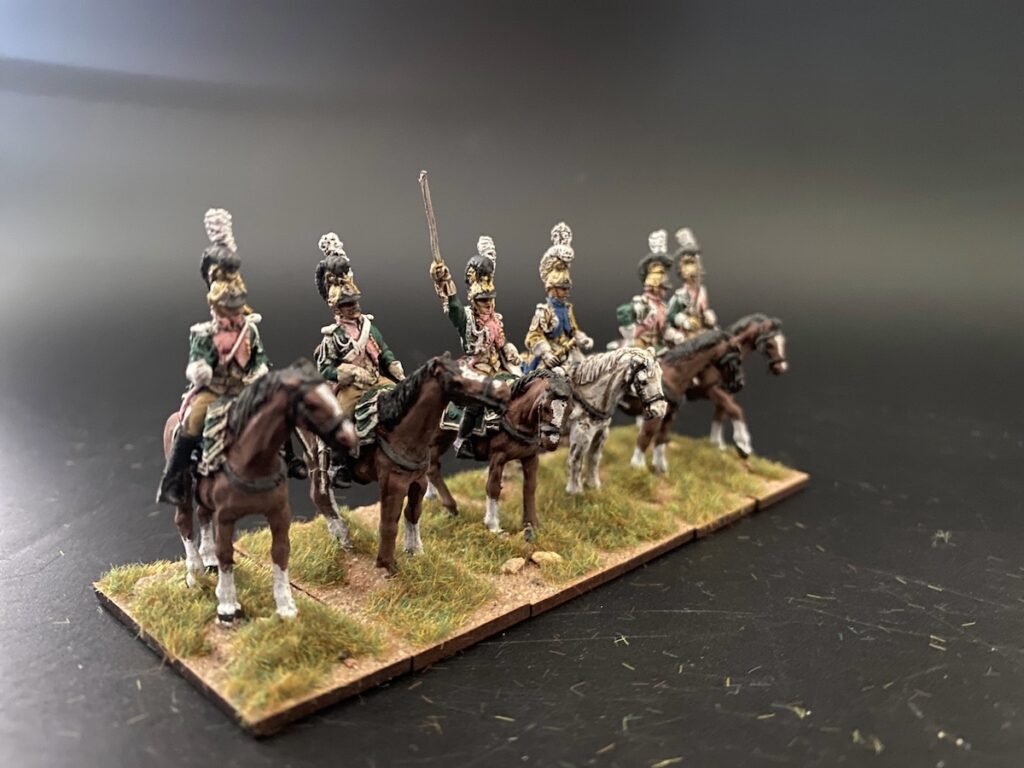
This sounds obvious, but it’s easy to miss. A painter who produces stunning Warhammer characters isn’t necessarily the right choice for a regiment of Napoleonic line infantry. The skills overlap, but the priorities don’t.
When browsing a painter’s gallery, look for:
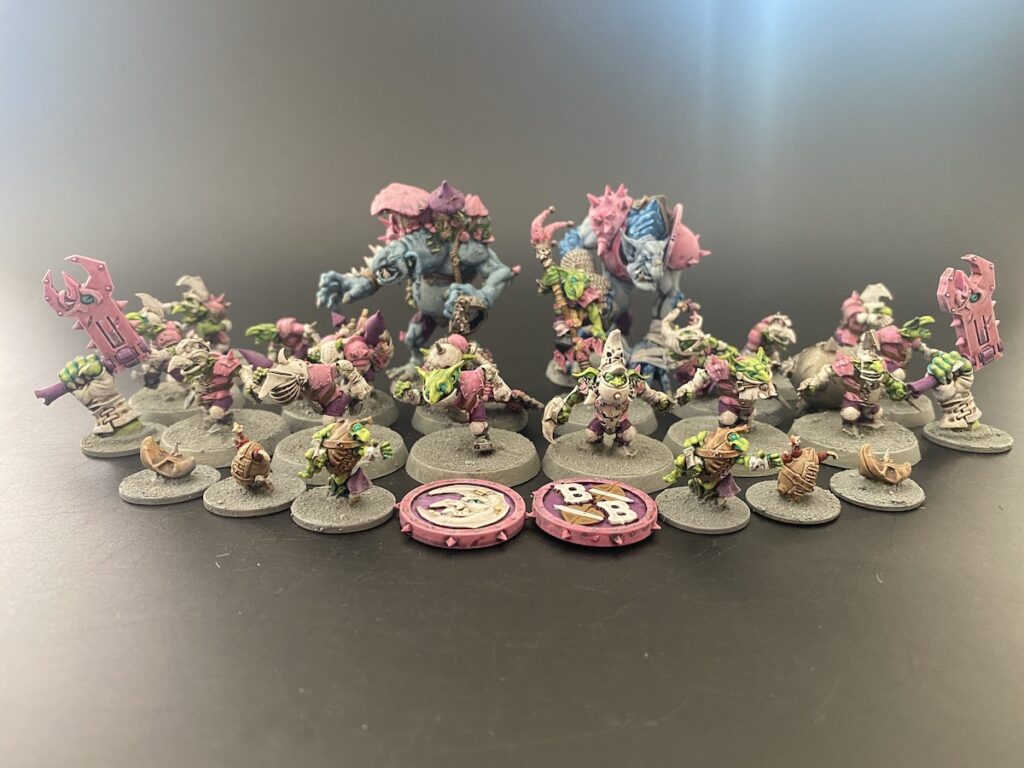
- Volume. A few showcase pieces are easy to cherry-pick. Dozens of completed units tell you they can produce consistent results at scale.
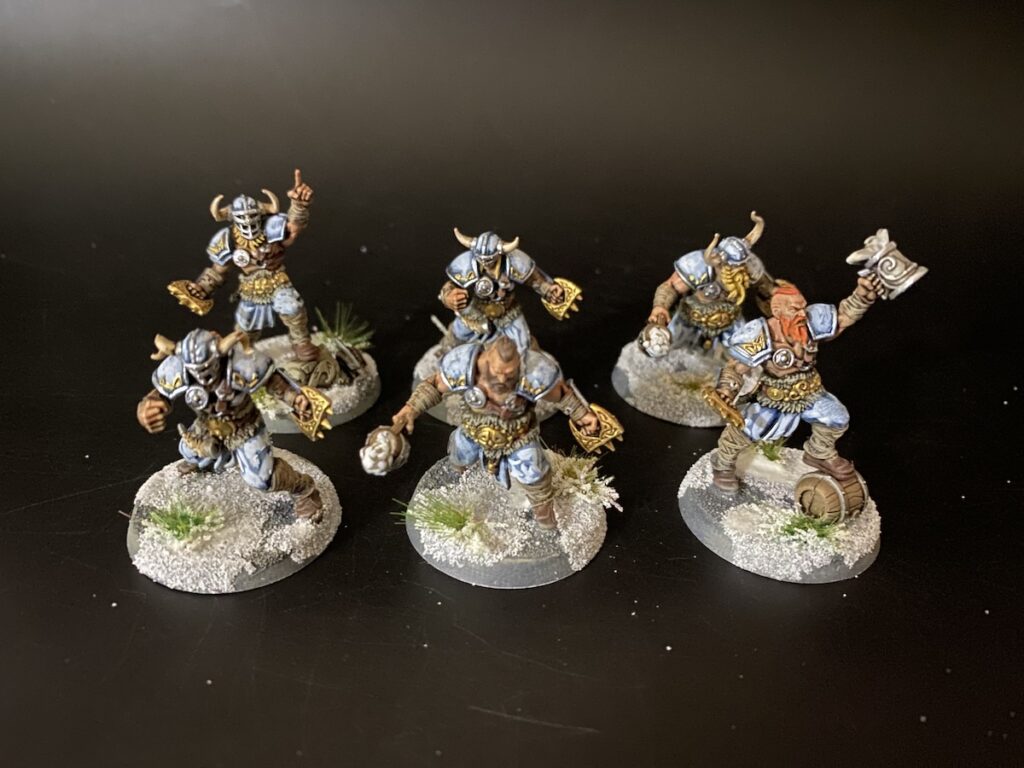
- Your genre. Historical miniatures reward accuracy; fantasy miniatures reward creativity. The best painters in one don’t always excel in the other.
- Horses and vehicles. These are where many painters struggle. If your commission includes cavalry, artillery, or tanks and vehicles, check the gallery specifically for those.
If the gallery is thin or only shows a narrow range of work, ask for more examples before committing. You can browse our full gallery here — including historical and fantasy work — to get a sense of what consistent, volume output actually looks like.



Clear, Upfront Pricing
Vague pricing is a warning sign. “Contact me for a quote” with no ballpark figures makes it impossible to budget — and occasionally means prices shift between enquiry and invoice.
A reputable commission service will publish at least indicative pricing per figure type. Look for:
- A per-figure or per-unit breakdown
- Clarity on what’s included (basing, varnishing, assembly)
- An explanation of how payment works — ideally staged payments rather than full payment upfront
At Dundas Miniatures, for example, we charge per figure with published prices for infantry, cavalry, command, and vehicles. Payment is split across three stages: a deposit if booking in advance, a pre-commission payment, and a final balance before postage. That protects both sides.
Responsiveness Before You Commit
How a painter communicates during the enquiry stage tells you everything about how they’ll communicate once they have your figures.
A good commission painter will:
- Reply within a few days (not weeks)
- Ask questions about your project rather than just quoting immediately
- Be willing to discuss specific requirements — paint ranges, historical accuracy, basing style
If you’re being rushed to commit without a proper conversation, take your time. There’s no shortage of painters, and the right one will want to understand your project before starting it.


Evidence of Real Customers
Testimonials on a painter’s own website are easy to fabricate. Look for corroborating evidence:
- eBay feedback — if the painter sells painted figures on eBay, their feedback score is public and independently verified
- Forum recommendations — communities like The Wargames Website, TMP, or Lead Adventure Forum are full of experienced collectors who recommend painters they’ve actually used
- Return customers — a painter who mentions repeat clients is telling you something important
One-off glowing reviews mean less than a pattern of repeat business.
A Sensible Process for Handling Your Figures
Your miniatures have real value — financial and sentimental. Before posting them to anyone, understand:
- How are they packed for return? Ask specifically. The answer reveals a lot about professionalism.
- Do they send progress photos? A good painter will share images before final dispatch so you can flag anything before it’s packed and posted.
- What happens if something goes wrong in the post? It’s rare, but it happens. Know the policy.
We always send progress images before packing and use secure, protective packaging for return shipping — it’s something customers consistently mention in feedback, and it matters. You can find more detail on how we handle commissions in our FAQ.



Experience That Matches Your Project
Years of experience matter, but relevant experience matters more. A painter who has spent decades on historical wargaming miniatures brings something different to your Napoleonic army than someone who started last year.
Ask directly:
- Have you painted this range before?
- Are you familiar with the period/uniform conventions?
- Can I send reference images?
A specialist will welcome these questions. A generalist who can’t answer them isn’t necessarily a bad choice — but you should know what you’re getting. If you’re commissioning historical work specifically, our dedicated pages for Napoleonic miniature painting and WWII miniature painting give a clear picture of where our experience runs deepest.
The Bottom Line
The miniature painting commission market is largely unregulated, which means the burden of due diligence falls on you. The good news is that most established painters are exactly what they appear to be — enthusiasts who take real pride in their work.
Take your time with the gallery. Have a proper conversation before committing. And look for a painter who asks as many questions as you do.
If you’d like to discuss a commission, get in touch here — no obligation, just a conversation about your project.
Dundas Miniatures is a UK-based commission painting service with over 30 years’ experience. We specialise in historical and fantasy miniatures and ship worldwide.